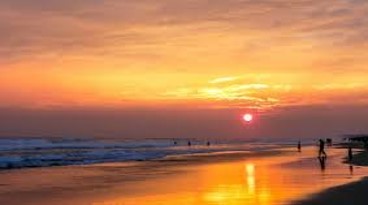
Day 1
DAY:01 SEPTEMBER -11 - COCHIN -BHUBANESWAR (D)
Fly from Cochin in the morning (10.25 am) and arrives at Biju Patnaik International Airport (BBI), Bhubaneswar by 17.05 pm. Later on, drive to your hotel for check in and & Overnight Stay at Bhubaneswar.
Day 2
SEPTEMBER -12 -BHUBANESWAR CITY TOUR- (B/L/D)
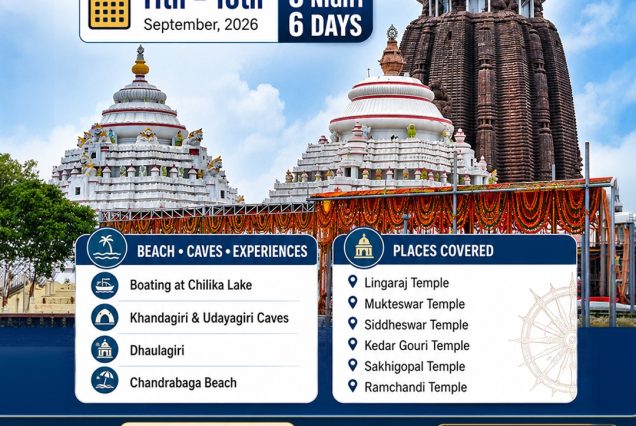
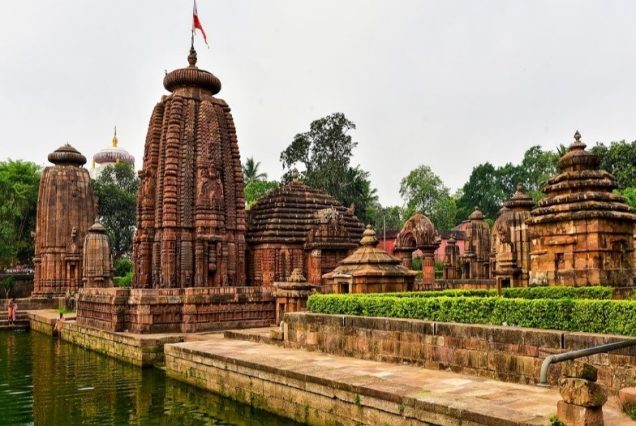
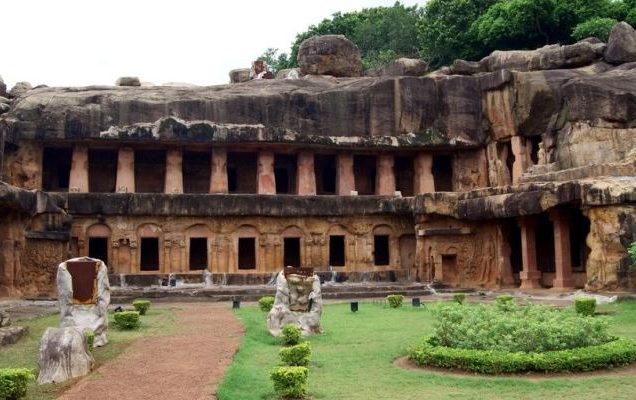
After breakfast, Visit Lingaraj Temple, Mukteswar Temple, Siddheswar Temple, Kedar Gouri Temple, Khandagiri & Udayagiri caves (Old rock cut caves, built by Mahamegha bahana Aira Kharabela), then back to the hotel & Overnight Stay at Bhubaneswar. The 11th-century Lingaraj Temple in Bhubaneswar, dedicated to Harihara, a combination of Lord Shiv & Vishnu, this temple was constructed in the 11th century, by Jajati Keshari, a Somavanshi king.It is highly revered for housing a naturally self-manifested (Swayam) Shiva linga that represents Harihara—a rare, unified embodiment of Lord Shiva and Lord Vishnu that symbolizes profound religious harmony.
Mukteshwara Temple is a 10th-century Hindu temple dedicated to Shiva located in Bhubaneswar, Odisha, India. This temple is a monument of importance in the study of the development of Hindu temples in Odisha. Dating back to the 10th century (c. 950 CE), this architectural marvel is famously dubbed the "Gem of Odisha (Kalinga) Architecture The Khandagiri and Udayagiri caves are primarily associated with Jainism. Located in Bhubaneswar, Odisha, these ancient rock-cut caves were largely carved out as monastic retreats and residences for Jain ascetics during the 2nd century BCE under the reign of King Kharavela. The Udayagiri Caves complex consists of twenty caves, of which one is dedicated to Jainism and all others to Hinduism. The Jain cave is notable for one of the oldest known Jaina inscriptions from 425 CE, while the Hindu caves feature inscriptions from 401 CE. The Udayagiri and Khandagiri Caves are twin rock-cut hill complexes located near Bhubaneswar, Odisha. While both were carved in the 2nd century BCE as residential retreats for Jain monks, they differ primarily in their layout, hill elevation, sculptural designs, and modern-day status. Overnight Stay at Bhubaneswar.
Day 3
SEPTEMBER -13 BHUBANESWAR-PURI -(B/L/D)
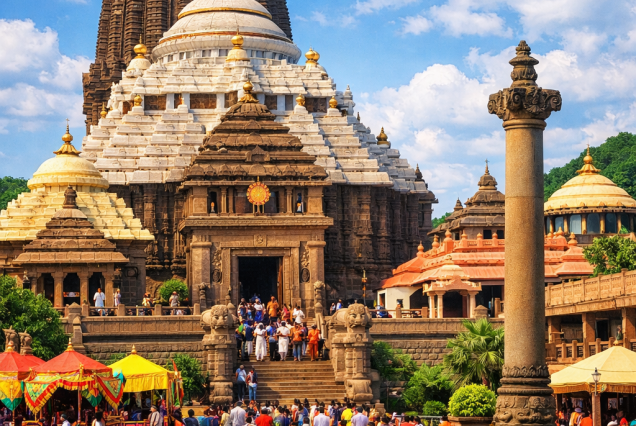
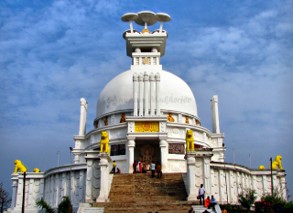
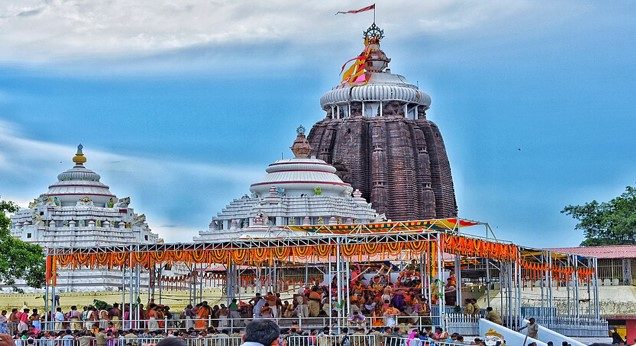
After breakfast check out from hotel Transfer to Puri En-Route Visit Dhaulagiri (is one of the famous Buddhist destinations in India, where Mauryan Emperor Ashoka renounced the path of violence and embraced Buddhism, after witnessing the devastation of Kalinga war & also known as “Peace Pagoda”), Sakhigopal Temple (Sakshigopal Temple formerly known as Satyabadi Gopinatha Temple is a medieval temple dedicated to Lord Gopinatha located in the town of Sakhigopal), Check in to The Hotel & after fresh Up Visit 12th-century world-famous Jagannath Temple (one of the four dhams). Back to hotel & overnight stay at Puri.
Dhaulagiri (or Dhauli Hills) is a major Buddhist pilgrimage site in Odisha, India, located on the banks of the Daya River, about 8 km from Bhubaneswar. It is historically significant as the site of the ancient Kalinga War, which prompted Emperor Ashoka to renounce violence and embrace Buddhism.
The Jagannath Temple is a Hindu temple dedicated to Jagannath, a form of Vishnu. It is located in Puri, Odisha, on the eastern coast of India. As per temple records, King Indradyumna of Avanti built the main temple.
Core Spiritual & Cultural Significance
The Char Dham: It is one of the four sacred Char Dham pilgrimage sites (along with Badrinath, Dwarka, and Rameswaram), which devout Hindus aim to visit for salvation (moksha).
Wooden Deities: Unlike most Hindu temples featuring stone or metal idols, the temple houses images of Lord Jagannath, his brother Balabhadra, and sister Subhadra carved from sacred neem wood.
The Rath Yatra: Its spectacular annual Chariot Festival involves pulling colossal wooden chariots through the streets. This grand parade is so massive that it birthed the English word juggernaut.
The temple is famous for several architectural and scientific anomalies that remain unsolved:
Opposing Flag Movement: The flag atop the temple dome is observed to flutter in the opposite direction of the breeze.
No Shadow Zone: The main dome of the temple does not cast a visible shadow on the ground at any time of day.
Defying Coastal Breezes: In coastal regions, the breeze usually blows from the sea to the land during the day and reverses at night. In Puri, this pattern is reversed.
The Missing Sound: Inside the Singhadwara (Lion Gate), the crashing sound of the ocean completely disappears after the first step, only to return upon exiting.
No Birds Fly Over: Uniquely,no birds or planes are seen flying over the temple dome.
Day 4
SEPTEMBER -14 PURI-CHILIKA-PURI (B/L/D)
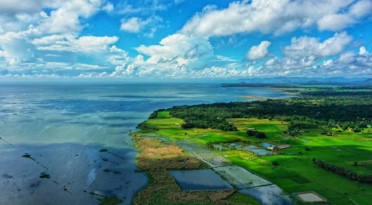
After breakfast, proceed to Chilika Lake. The lake is a winter hub of many spectacular migratory birds. A Chilika Lake boat ride is a fantastic way to experience Asia's largest brackish water lagoon (spreads across 1,100 sq. km), famous for its Irrawaddy dolphins and migratory bird populations. The view of sunset & Sunrise is a delight to watch. Arrival Satapara meets the Irrawaddy Dolphins in nature and the Sea mouth (Meeting point of sea & lake where the lake meets the sea). Later on, back to Puri and evening enjoy at Golden Beach. It is an internationally renowned, eco-friendly Blue Flag certified beach famous for its pristine, shimmering sand. It acts as both a peaceful spiritual retreat for pilgrims visiting the Jagannath Temple and an artistic hub for spectacular sand sculptures by acclaimed artists like Sudarshan Pattnaik. Overnight stay at Puri.
Day 5
SEPTEMBER -15-PURI-KONARK-BHUBANESWAR (B/L/D)
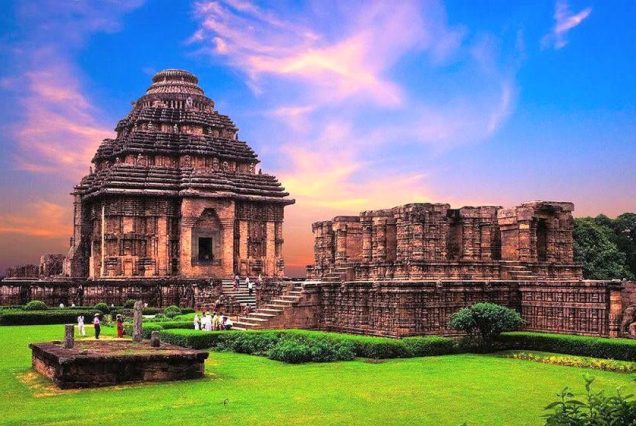
After breakfast, check out from hotel, drive to Bhubaneswar En-Route Visit Ramachandi Temple, Chandrabhaga Beach, Konark Sun Temple (The temple was built by King Narasimhadeo in the 13th century, it is counted among the 7 wonders of India, famous for world heritage site & also known as “Black Pagoda'').
The Ramachandi Temple is located on the banks of the Kusabhadra River where it flows into the Bay of Bengal. It is about 5 km from Konark in the Puri District of Odisha, India. Some believe that Goddess Ramachandi, the deity of Konark, is the presiding deity of this temple, while others believe it was dedicated to Mayadevi, the wife of Surya (the Sun God). Chandrabhaga Beach, located 3 km east of the UNESCO World Heritage Konark Sun Temple in Odisha, is a pristine, less-crowded coastline famous for its golden sands, scenic sunrises, and rich mythological heritage. It is celebrated as India's first beach to achieve the prestigious Blue Flag certification.
Konark Sun Temple:
The name Konark comes from two Sanskrit words: Kona (angle) and Arka (sun). It means the place where the sun rises at an angle. According to Hindu mythology, Konark is the place where Samba, the son of Lord Krishna, was cured of leprosy by worshipping the Sun God Surya. To express his gratitude, Samba built a temple dedicated to Surya at Konark.
The current temple was built in the 13th century by King Narasimhadeva I of the Eastern Ganga Dynasty. He commissioned a famous architect named Bishu Maharana to design and construct the temple. According to legend, Bishu Maharana had a son named Dharmapada, who was only 12 years old. Dharmapada joined his father at the temple site and solved a complex problem that baffled the other craftsmen. He also sacrificed his life to save his father’s honor and reputation. The temple was built in a span of 12 years, with the help of 1200 artisans and craftsmen. It was designed as a massive chariot of Surya, with 24 wheels (each about 10 feet in diameter) and pulled by seven horses. The temple was also adorned with thousands of exquisite sculptures and carvings that depict various aspects of Hindu mythology, culture, and society.
The Sun Temple Konark is a masterpiece of Indian architecture and design. It reflects the advanced knowledge and skills of its builders in various fields such as geometry, engineering, astronomy, art, and symbolism.The temple complex covers an area of about 25 acres. It consists of three main structures: the Deul (main sanctum), the Jagamohana (entrance hall), and the Natamandira (dance hall). The Deul was originally about 229 feet high, while the Jagamohana is about 128 feet high. The Natamandira is located in front of the Jagamohana, and is supported by 16 pillars. The most striking feature of the temple is its chariot-like design. The Deul represents the body of the chariot, while the Jagamohana represents its canopy. The 24 wheels represent the 24 hours of a day, and the seven horses represent the seven days of a week. The wheels are also carved with intricate patterns and symbols that represent the 12 zodiac signs, the 12 months, the 8 directions, and the 8 stages of a woman’s life. Overnight Stay at Bhubaneswar.
DAY:06
SEPTEMBER -16 -BHUBANESWAR-DEPARTURE (B)
The last day marks an end to your Puri-Konark travel itinerary!!! After a delectable breakfast at the hotel, check out and get transferred to the Bhubaneswar Airport and Board your flight back home with a sense of compassion and contentment.